Casino gaming starts as entertainment, but for some people it changes into something else. When gambling stops bringing joy and starts causing stress, financial problems, or a feeling of losing control, it has crossed an important line. The shift can happen slowly, making it hard to notice at first.
Understanding why this happens matters. Several factors can turn a fun activity into a harmful habit. These include how casinos are designed, how the brain responds to winning and losing, and personal circumstances that make someone more likely to develop problems.
This article explores the warning signs that gambling has stopped being enjoyable. It covers what causes these changes, how problem gambling affects daily life, and what steps someone can take to regain control. It also looks at ways to set limits and find support when needed.
Recognizing When the Fun Stops
Casino gaming becomes problematic when it shifts from entertainment to compulsion, affecting finances, relationships, and mental well-being. Players need to identify specific warning signs and behavioral changes that indicate gambling has crossed this line.
Warning Signs of Problem Gambling
Several clear indicators suggest gambling has become a problem rather than recreation. A person may start spending more money than planned or can afford to lose. They might visit casinos more frequently or stay longer than intended.
Chasing losses represents a major warning sign. This happens when someone keeps gambling to win back money they already lost. The person may also borrow money or use credit cards to fund their gambling.
Lying about gambling activities or hiding the extent of time and money spent indicates a serious shift. Some people neglect work, school, or family responsibilities to gamble. They may also feel restless or irritable when trying to cut back or stop.
Common warning signs include:
- Gambling with money needed for bills or essentials
- Missing important events to gamble
- Thinking about gambling constantly
- Needing to bet more money to feel excited
Changes in Enjoyment and Behavior
The experience of gambling changes when it stops being fun. A person no longer feels excitement or entertainment from playing. Instead, they gamble out of habit or compulsion.
The activity becomes mechanical and automatic rather than enjoyable. Someone might continue playing even when they feel tired, frustrated, or upset. They lose interest in other hobbies or social activities they once enjoyed.
Gambling may become a way to escape problems or uncomfortable feelings rather than a form of entertainment. The person might use it to deal with stress, anxiety, or depression. This shift marks a fundamental change in why someone gambles.
Emotional Impact of Continued Play
Problem gambling creates serious emotional consequences. People often experience guilt and shame about their gambling behavior. They may feel anxious about money problems or lies they’ve told.
Depression commonly develops as gambling problems worsen. A person might feel hopeless about their situation or their ability to stop. Mood swings become more frequent, with highs during gambling and lows afterward.
Relationships suffer as trust breaks down. Family members and friends may feel hurt by dishonesty or neglected due to time spent gambling. The emotional toll extends beyond the individual to affect everyone close to them. Some people isolate themselves to hide their gambling or avoid confrontation about it.
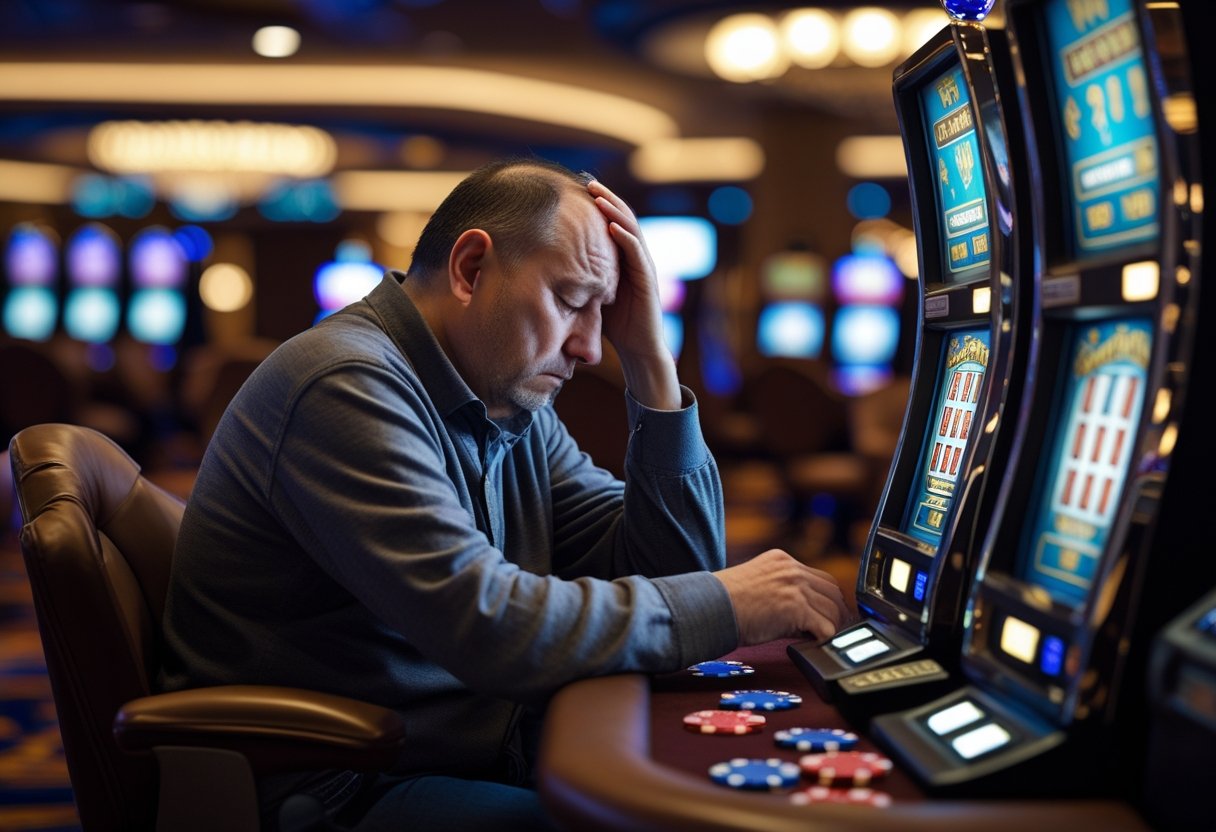
Understanding the Causes Behind Lost Enjoyment
Casino gaming turns from entertainment into a burden when specific factors change how a player approaches and experiences gambling. The shift happens through financial pressure, behavior changes driven by losses, and outside influences that affect decision-making.
Financial Stress and Losses
Money problems are the most direct reason casino gaming stops being enjoyable. When players spend beyond their means, every bet creates anxiety instead of excitement. The entertainment budget disappears, and gambling starts eating into funds meant for bills, groceries, or savings.
Regular losses add up over time. A player might lose $50 here and $100 there, thinking each session is manageable. But these amounts create a growing financial hole that becomes hard to ignore. The stress from mounting losses changes the brain’s response to gaming.
Bills become harder to pay. Credit cards reach their limits. Bank accounts run low. These financial signs make it impossible to enjoy casino games because worry replaces fun.
The cost isn’t just about money lost at tables or machines. Players also face related expenses like transportation, food, drinks, and time away from work. When someone calculates the true cost of their gambling habit, the numbers often shock them into realizing the activity isn’t worth it anymore.
Chasing Losses and Unrealistic Expectations
Chasing losses happens when players try to win back money they’ve already lost. This behavior creates a dangerous cycle. Someone loses $200 and immediately wants to play more to recover it. They bet bigger amounts or play longer sessions, which usually leads to even bigger losses.
The brain starts expecting wins that rarely come. Players remember their few big wins but forget the many small and medium losses. This skewed memory makes them believe they’re closer to winning than they actually are.
Common unrealistic thoughts include:
- Believing a big win is “due” after several losses
- Thinking past losses mean future wins are more likely
- Assuming skill can overcome random chance in luck-based games
- Expecting to beat the house edge through betting systems
Near-misses make the problem worse. When slot reels stop just one symbol away from a jackpot, the brain registers it almost like a win. These almost-wins trigger the same reward centers that actual wins do, keeping players hooked even when they’re losing money.
Social Pressures in Gaming Environments
Casino environments create social dynamics that push players to spend more than intended. Friends or acquaintances might encourage “just one more hand” or suggest moving to higher-stakes tables. Saying no becomes difficult when others are still playing.
Group gambling sessions often involve competition. Players feel pressure to match bets or stay in games longer to avoid looking weak or scared. The desire to impress others overrides smart financial decisions.
Casinos also employ staff trained to keep players engaged. Hosts offer complimentary drinks, meals, or room upgrades based on play level. These perks feel like rewards but actually encourage longer sessions and bigger bets. The attention feels good, making players want to maintain their status.
Online gaming adds different social pressures through chat features, leaderboards, and visible win celebrations from other players. These elements create false urgency and competition that wasn’t part of the original decision to play.
Personal and Social Consequences
Problem gambling extends far beyond financial loss. It damages relationships, harms mental and physical health, and disrupts a person’s ability to function at work and in daily activities.
Strained Relationships and Isolation
Gambling addiction creates serious problems in personal relationships. People with gambling problems often lie to family members and friends about their activities and money losses. These lies break down trust and create conflict within marriages, partnerships, and family units.
The person gambling may miss important family events or stop spending quality time with loved ones. They become emotionally distant and preoccupied with gambling thoughts. Arguments about money become more frequent and intense.
Many people with gambling problems withdraw from their social circles. They avoid friends and family to hide their behavior or to spend more time gambling. This isolation makes the problem worse because they lose their support network.
Common relationship impacts include:
- Separation or divorce from spouses
- Loss of custody or strained relationships with children
- Broken friendships
- Family members cutting off contact
- Domestic conflicts and tension
Declining Mental and Physical Health
Gambling disorder often occurs alongside other mental health conditions. People struggling with gambling problems experience higher rates of depression, anxiety, and stress-related disorders. The constant worry about debts and losses weighs heavily on their minds.
Sleep problems become common as the person stays up late gambling or lies awake worrying about their situation. Poor sleep affects mood, decision-making, and overall health.
Physical health declines as the person neglects self-care. They may skip meals, ignore medical appointments, or stop exercising. Some turn to alcohol or drugs to cope with gambling-related stress. In severe cases, people with gambling addiction experience thoughts of suicide due to overwhelming debt and shame.
The stress from gambling problems can lead to headaches, digestive issues, and high blood pressure.
Negative Effects on Work and Daily Life
Work performance suffers when gambling takes priority. People may gamble during work hours, miss deadlines, or call in sick to visit casinos or place bets. Their focus and productivity drop significantly.
Some lose their jobs due to poor performance, stealing from employers, or excessive absences. This job loss adds to their financial crisis and creates more stress. Finding new employment becomes harder when references are poor or gaps appear in work history.
Daily responsibilities fall by the wayside. Bills go unpaid, household tasks get ignored, and basic obligations are forgotten. The person’s entire routine revolves around opportunities to gamble or recover from gambling sessions.
Psychological Aspects of Problem Gambling
Problem gambling involves complex brain processes that affect decision-making, impulse control, and emotional responses. The condition develops through specific patterns of addictive behavior, self-deception, and chemical changes in the brain’s reward centers.
Addiction and Compulsive Behaviors
Gambling addiction shares similar characteristics with substance addictions. The brain develops a tolerance to gambling activities, requiring more frequent or higher-stakes betting to achieve the same level of excitement.
Compulsive gamblers often experience an overwhelming urge to gamble despite negative consequences. They may spend hours planning their next gambling session or thinking about past wins. This preoccupation interferes with work, relationships, and daily responsibilities.
Common compulsive behaviors include:
- Chasing losses by continuing to gamble to win back money
- Gambling with money intended for bills or essential expenses
- Lying to family members about gambling activities
- Feeling restless or irritable when attempting to reduce gambling
- Using gambling as an escape from stress or emotional problems
Research shows that approximately 1% of the population currently struggles with gambling disorder. These individuals often cannot stop or control their gambling behavior even when they recognize the harm it causes.
Denial and Rationalization Patterns
Problem gamblers typically develop defense mechanisms that allow them to continue gambling. Denial serves as a primary obstacle to seeking help and making changes.
Rationalization involves creating logical-sounding excuses for gambling behavior. A person might claim they gamble only for entertainment or that they have a special system for winning. They may minimize losses by focusing only on wins or by comparing their gambling to others they perceive as worse.
Many gamblers convince themselves that the next bet will be different. They believe they can control random outcomes through skill or intuition. This thinking pattern keeps them trapped in a cycle of continued gambling despite mounting losses.
Family members often notice the problem before the gambler acknowledges it. The person may become defensive when confronted about their gambling habits or financial situation.
The Role of Dopamine and Reward Systems
The brain releases dopamine during gambling activities, creating feelings of pleasure and excitement. This chemical response occurs not just with wins but also with near-misses and the anticipation of potential wins.
Casinos design their games to maximize these dopamine releases. Flashing lights, sound effects, and near-win scenarios trigger the brain’s reward system repeatedly. Over time, frequent gambling alters brain chemistry and makes it harder to experience pleasure from other activities.
The reward system becomes conditioned to respond to gambling cues. Walking past a casino or seeing gambling advertisements can trigger cravings and dopamine responses even before any betting occurs.
Brain scans of problem gamblers show changes in areas responsible for impulse control and decision-making. These alterations make it physically difficult to resist gambling urges, similar to how substance addictions affect brain function.
Setting Healthy Boundaries and Self-Control
Successful casino gaming requires clear limits on spending and time, practical strategies to maintain balance, and awareness of personal triggers that can lead to poor decisions.
Establishing Time and Money Limits
Players should set a specific dollar amount they can afford to lose before they start gaming. This amount must come from entertainment funds, not money needed for bills, rent, or other expenses. Writing down this limit helps make it real and harder to ignore.
Time limits work the same way. A player might decide to spend two hours at the casino or gaming session. Setting a phone alarm or watch timer provides a clear signal when it’s time to stop.
Key limits to establish:
- Daily, weekly, or monthly spending caps
- Session time limits
- Loss limits that trigger an immediate stop
- Win goals that signal when to walk away
These boundaries should be decided when a person is calm and thinking clearly, not during active play.
Practical Tips for Balanced Gaming
Players can take several steps to maintain control during gaming sessions. Leaving credit cards at home and bringing only cash prevents overspending. Taking regular breaks every 30 to 45 minutes helps maintain clear thinking.
Mixing gambling with other activities creates balance. A person might plan dinner with friends, see a show, or explore other entertainment options during a casino visit. This approach prevents gaming from becoming the sole focus.
Keeping a gaming journal helps track spending, time, and emotions. Players who write down what they spent and how they felt can spot patterns that signal problems. Sharing gaming plans with a trusted friend or family member adds another layer of accountability.
Recognizing and Addressing Triggers
Certain emotions and situations push people toward excessive gaming. Stress from work or relationships often leads people to gamble as an escape. Boredom, loneliness, or depression can also drive increased gaming activity.
Physical states matter too. Being tired, drinking alcohol, or feeling hungry affects judgment and self-control. Players should avoid gaming during these vulnerable times.
Common triggers include:
- Financial stress or money problems
- Relationship conflicts
- Work pressure or job loss
- Celebrating wins with more gambling
- Trying to recover losses quickly
When a person notices these triggers, they should step away from gaming. Finding alternative activities like exercise, hobbies, or talking with friends provides healthier ways to handle difficult emotions.
Seeking Help and Support Options
Multiple pathways exist for people struggling with gambling problems, from one-on-one therapy to group meetings and crisis hotlines. Each option provides different tools and approaches to address the specific challenges gambling addiction creates.
Professional Counseling and Therapy
Licensed therapists and counselors who specialize in gambling addiction offer personalized treatment plans. These professionals help identify the root causes of gambling behavior and develop strategies to break the cycle. Therapy sessions provide a safe space to address underlying issues like anxiety, depression, or trauma that may fuel gambling urges.
Cognitive behavioral therapy (CBT) is one of the most effective approaches. It helps people recognize and change thought patterns that lead to gambling. Therapists also teach coping skills for managing triggers and stress without turning to gambling.
Many treatment centers offer both inpatient and outpatient programs. Inpatient programs provide intensive care in a controlled environment. Outpatient programs allow people to continue working and living at home while attending regular therapy sessions.
Support Groups for Gamblers
Gamblers Anonymous follows a 12-step recovery model similar to Alcoholics Anonymous. Members meet regularly to share experiences and support each other through recovery. These meetings are free and available in most communities across the United States.
SMART Recovery offers an alternative approach based on self-empowerment and science-based techniques. The program focuses on building motivation, coping with urges, managing thoughts and behaviors, and living a balanced life. Both in-person and online meetings are available.
Support groups provide accountability and connection with others who understand the struggle. Members learn from those further along in recovery and gain hope by seeing others succeed.
Community Resources and Helplines
The National Problem Gambling Helpline (1-800-522-4700) operates 24 hours a day, seven days a week. Trained specialists offer confidential support and connect callers with local treatment resources. The service is free and available to anyone in the United States.
The National Council on Problem Gambling website (www.ncpgambling.org) provides educational materials, screening tools, and directories of treatment providers. Many states also maintain their own helplines and resources tailored to local services.
Financial counseling services help people address debt and money management issues caused by gambling. Legal aid organizations can assist with gambling-related legal problems.
Alternative Recreational Activities
When casino gaming loses its appeal, replacing it with fulfilling activities helps fill the gap and provides healthier ways to spend time and energy. The key is finding options that offer excitement, social connection, and personal growth without the negative aspects of problem gambling.
Exploring Non-Gaming Social Activities
Social connections don’t require gambling to be meaningful or fun. Family entertainment centers offer bowling, mini-golf, and arcade games that provide excitement without financial risk. These venues create the same interactive atmosphere as casinos but focus on skill-based activities.
Visiting local community events, sports leagues, or hobby clubs introduces people to others with similar interests. Many cities host free or low-cost activities like farmers markets, outdoor concerts, or volunteer opportunities. These options build friendships through shared experiences rather than shared bets.
Friend gatherings can center around game nights with board games, movie marathons, or cooking together. The social aspect remains strong while removing the gambling element entirely. People often find these activities more memorable and satisfying than casino visits.
Building New Hobbies and Interests
New hobbies provide a productive outlet for time and energy previously spent gambling. Physical activities like hiking, cycling, or joining a gym offer natural dopamine responses that create genuine enjoyment. These activities improve health while providing the stimulation some people seek from gambling.
Creative pursuits such as painting, woodworking, or learning a musical instrument engage the mind differently. They offer measurable progress and skill development that builds confidence over time. Many community centers and libraries offer free or affordable classes to get started.
Learning new skills through online courses, reading, or attending workshops keeps the brain active and engaged. Some people discover interests in cooking, gardening, photography, or home improvement projects. These hobbies often cost less than gambling while providing tangible results and lasting satisfaction.